Freehold, POTL or Condo Townhouse: GTA Guide
Not every GTA townhouse has the same ownership structure. Learn how freehold, POTL and condominium townhouses differ before comparing prices, fees and responsibilities.
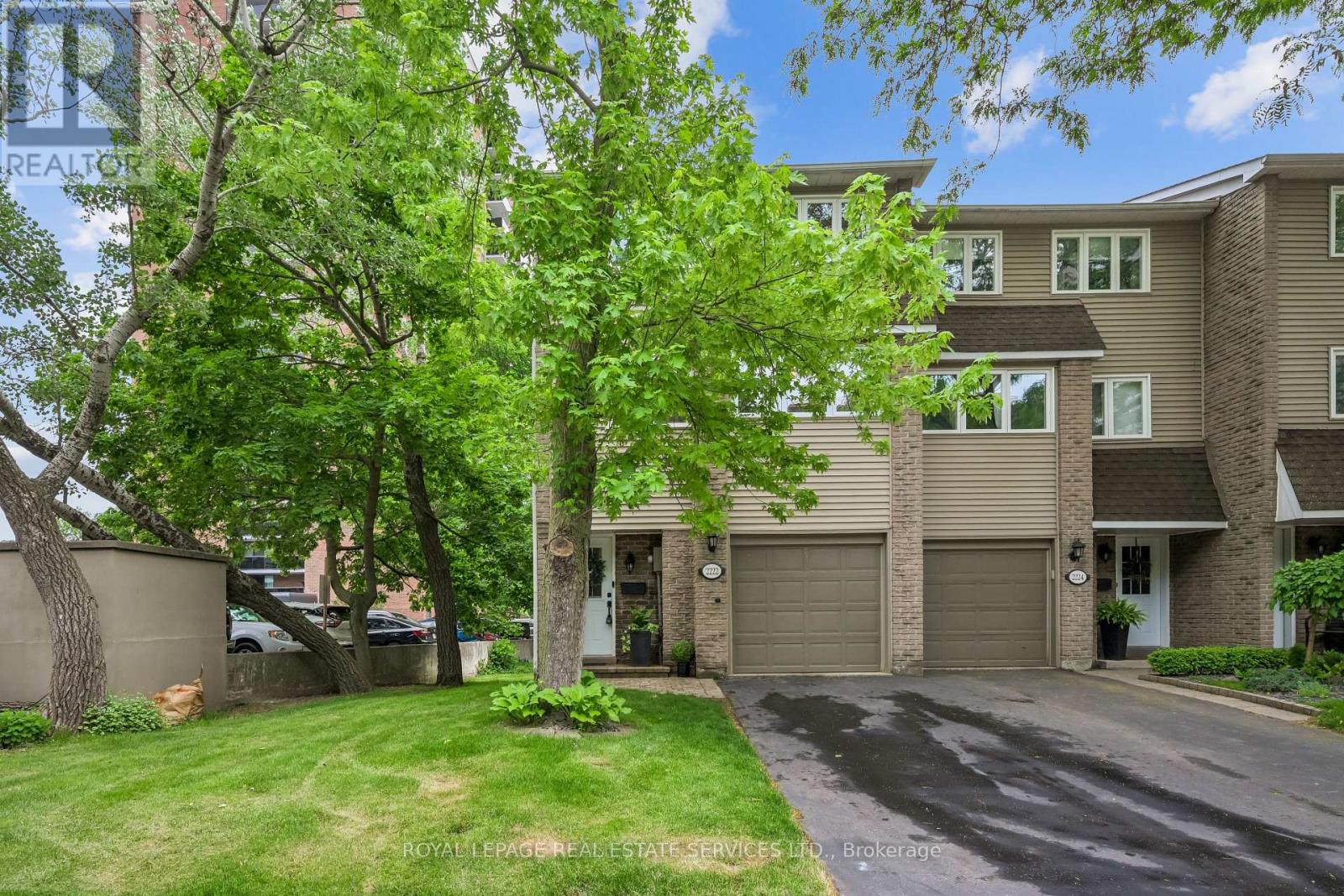
Townhouse listings can look remarkably similar online. Two properties may have nearly identical layouts, parking and exterior designs, yet come with very different ownership structures and monthly obligations.
Before comparing prices, determine whether each property is a freehold townhouse, a parcel of tied land commonly called a POTL, or a standard condominium townhouse. The listing label alone may not tell the complete story.
FREEHOLD TOWNHOUSE
With a conventional freehold townhouse, the owner generally owns the home and the land associated with it. There is no condominium corporation managing shared property.
That usually means there is no monthly condominium fee. It also means the owner is normally responsible for the roof, exterior, driveway, landscaping and private services.
Freehold ownership can provide more control, but it does not assurance that there are no restrictions or shared obligations. Easements, maintenance agreements, restrictive covenants and shared access arrangements may still appear on title.
POTL OR COMMON-ELEMENTS TOWNHOUSE
A POTL townhouse combines freehold ownership with a connection to a common-elements condominium corporation.
The home and parcel remain freehold, but the parcel is legally tied to shared property such as a private road, visitor parking, landscaping, entrance features, snow-clearing areas or community facilities.
Owners contribute to maintaining those common elements. The monthly fee may be lower than the fee for a standard condominium townhouse, but the amount and coverage vary by development.
STANDARD CONDOMINIUM TOWNHOUSE
In a standard condominium townhouse, the buyer owns a condominium unit together with an interest in the common elements.
The declaration establishes the unit boundaries. Depending on the development, the unit may include only the interior space or may extend farther into the structure. The declaration, by-laws and rules help determine repair responsibilities and permitted uses.
Monthly fees may cover exterior maintenance, landscaping, snow removal, common-property insurance, management and reserve-fund contributions. Confirm exactly what is included instead of assuming all townhouse fees provide the same services.
COMPARE TOTAL OWNERSHIP COST
A lower purchase price does not automatically mean lower monthly ownership costs.
Compare the purchase price, mortgage payment, condominium or POTL fee, property taxes, insurance, utilities, exterior maintenance responsibilities, expected major repairs and possible special assessments.
A freehold townhouse may have no monthly corporation fee, but the owner must independently budget for major maintenance. A condominium fee may make certain expenses more predictable, although fees can change as the corporation’s needs change.
REVIEW THE DOCUMENTS
For a POTL or standard condominium property, ask your lawyer to review the status certificate and governing documents.
A status certificate can include information about common expenses, the reserve fund, financial statements, insurance, litigation, fee increases and special assessments.
Ask what property you own directly, which areas are common elements, what the monthly fee covers, who repairs the roof and windows, whether the road is public or private, and whether rules affect pets, parking, rentals or renovations.
COMPARE LIKE WITH LIKE
Group townhouse listings by ownership structure before comparing prices. A freehold townhouse should not be evaluated exactly like a POTL or standard condominium townhouse.
The better comparison considers purchase price, monthly costs, repair obligations, restrictions and services received. The right choice depends on how much control, maintenance responsibility and shared management you prefer.
A useful comparison also looks ahead five to ten years. Ask how each ownership model may affect renovation approvals, insurance claims, resale documents, visitor parking and unexpected repair decisions. A lower monthly fee is not automatically the better value when major exterior work remains entirely with the owner.
For GTA buyers, road ownership deserves special attention. A townhouse community may look like a regular municipal street while the road, lighting, snow clearing or visitor parking is privately managed. Confirm who maintains those elements, whether access rules apply and how emergency repairs are funded.
Review the reserve-fund study and recent meeting records when they are available. They can help explain planned projects, recurring maintenance concerns and how the corporation has responded to earlier cost pressures. A healthy current balance is only one part of the financial picture.
Insurance responsibilities can also differ. Ask what the corporation insures, what the owner must insure and whether upgrades inside the home require additional coverage. Your lawyer and insurance representative can help identify gaps before the purchase becomes firm.
Resale flexibility matters as well. Rules concerning rentals, parking, exterior changes, electric-vehicle chargers, pets or home-based work may affect how the property fits future plans. Read the applicable documents rather than relying only on the appearance of neighbouring homes.
Before submitting an offer, request the documents that apply to that property and compare the full monthly and long-term cost. Contact Julia for practical help reviewing GTA townhouse ownership, fees, responsibilities and comparable listings.
Comparing townhouse options?
Contact Julia for practical help comparing ownership, fees, responsibilities and value before you make an offer.
Contact Julia