Mississauga Basement Apartment Buyer Checklist
A basement apartment may add flexibility to a Mississauga home, but buyers should verify permits, registration, safety, tenancy and operating costs before relying on it.
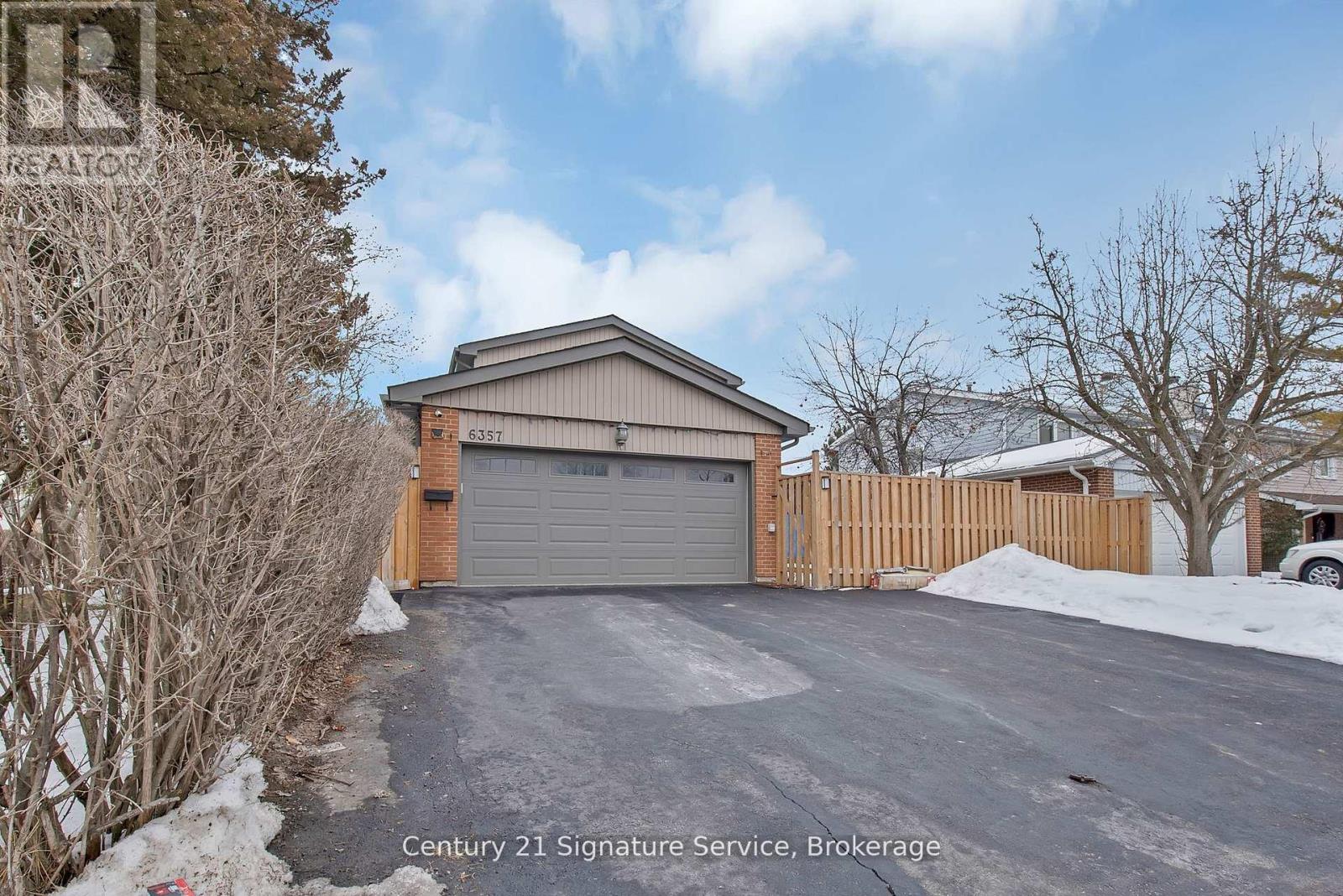
A basement apartment may provide space for relatives, a private work area or potential rental use. However, a kitchen, separate entrance and bedroom do not automatically confirm that the space has been legally approved as a separate dwelling.
When buying a Mississauga property with an existing basement unit, verify the details before including expected rent or future use in your decision.
START WITH THE CITY RECORDS
Ask whether the unit has a completed building permit and whether it is registered with the City of Mississauga.
Second units must comply with applicable Building Code, Fire Code and zoning requirements. An existing unit without permit documentation may require a new application, inspections and corrective work before registration.
Useful records may include the building-permit number, final inspection or permit sign-off, second-unit registration confirmation, approved floor plans, fire inspection records when applicable, and documentation for exterior alterations or a separate entrance.
Do not rely only on wording such as legal basement, retrofit or seller does not warrant status. Ask for supporting documents and have the appropriate professionals review them.
CHECK THE PROPERTY TYPE AND ZONING
Additional residential units may be permitted in many detached, semi-detached and townhouse situations, but the rules depend on the specific property, zoning and ownership structure.
Restrictions may affect heritage properties, townhouse developments, parking, entrances, setbacks and garden suites. Standard condominium townhouses may also require condominium approval.
Confirm the specific property rather than assuming that permission granted elsewhere in the neighbourhood applies to the home you are considering.
REVIEW SAFETY AND FUNCTION
An attractive renovation is not the same as a compliant dwelling.
A qualified inspector or other appropriate professional should review exits, window sizes, smoke and carbon-monoxide alarms, fire separation, ceiling height, electrical work, plumbing, drainage, heating, ventilation, moisture, bedroom configuration and sound transfer.
Some issues may not be visible during a short showing. Documentation and professional review are especially important when walls and ceilings conceal previous construction work.
UNDERSTAND THE CURRENT TENANCY
When a tenant already occupies the unit, the purchase may include an existing landlord-and-tenant relationship.
Request the lease, amendments, payment records and written agreements concerning parking, storage, utilities or shared areas. Ask your lawyer and real estate representative how the tenancy affects your intended closing date and future plans.
Do not assume that purchasing the property automatically allows the buyer to remove the tenant, change the rent or occupy the unit immediately.
VERIFY PARKING AND SHARED USE
Check how many legal parking spaces are available, whether vehicles block one another, who uses the driveway, yard, laundry and storage, whether utilities are separately metered, who controls the thermostat and how garbage is handled.
Also confirm whether both households can access electrical panels, shutoffs and mechanical equipment. These details affect privacy, convenience and the practical relationship between occupants.
TEST THE FINANCIAL ASSUMPTIONS
Treat rental income as a scenario to investigate, not as certain money.
Compare potential rent with vacancy periods, repairs, insurance, utility costs, property management, compliance work, tax implications, financing requirements and future capital replacements.
Ask your lender whether and how projected or existing rental income will be considered. Ask your insurer what information it requires about the additional unit.
MAKE THE OFFER MATCH THE EVIDENCE
Where important records are missing, discuss suitable conditions, representations or document requirements with your real estate representative and lawyer.
The goal is not simply to decide whether the basement looks rentable. The goal is to understand what has been approved, what still needs verification, what obligations already exist and what the property will realistically cost to operate.
Also ask whether the current property-tax, insurance and utility arrangements reflect the additional unit. A future lender, insurer or appraiser may evaluate the property differently from the way it was described in the listing, so keep the purchase decision grounded in documents rather than assumptions.
Check whether the basement has its own electrical panel, heating controls, laundry access and safe route to exterior space. These details affect comfort and operating responsibility even when the unit has received municipal approval.
Water management deserves a separate review in many Mississauga homes. Look for evidence of past seepage, sump-pump work, backwater-valve installation, grading changes and foundation repairs. Ask for invoices and permits connected to significant drainage work.
Estimate the cost of bringing incomplete work into compliance before assigning value to possible rent. Electrical upgrades, fire separation, larger windows, parking changes or plumbing corrections can materially change the economics of the property.
When the unit is vacant, confirm that the seller is not describing expected rent as an existing tenancy. When it is occupied, verify the lawful rent, payment history, deposits, notices and services included in the tenancy.
A well-finished basement can be valuable, but approval status, tenancy and operating responsibility matter more than appearance alone. Contact Julia for practical help reviewing a Mississauga property, its available records and suitable offer conditions.
Considering a home with a basement unit?
Contact Julia for practical help reviewing the property, documents, tenancy questions and offer strategy.
Contact Julia